The Poetry of Dialects and the Landscape of Images
The Otok Institute showcases the literary and visual outcomes of a project undertaken in collaboration with the Stazioni_Postaje APS association to explore the Slovenian-Italian cross-border multicultural space through its poetry, dialects, and cinema, bringing together two generations: seniors in nursing homes, who translated the poetry into dialects, and young people, who adapted it into short films.
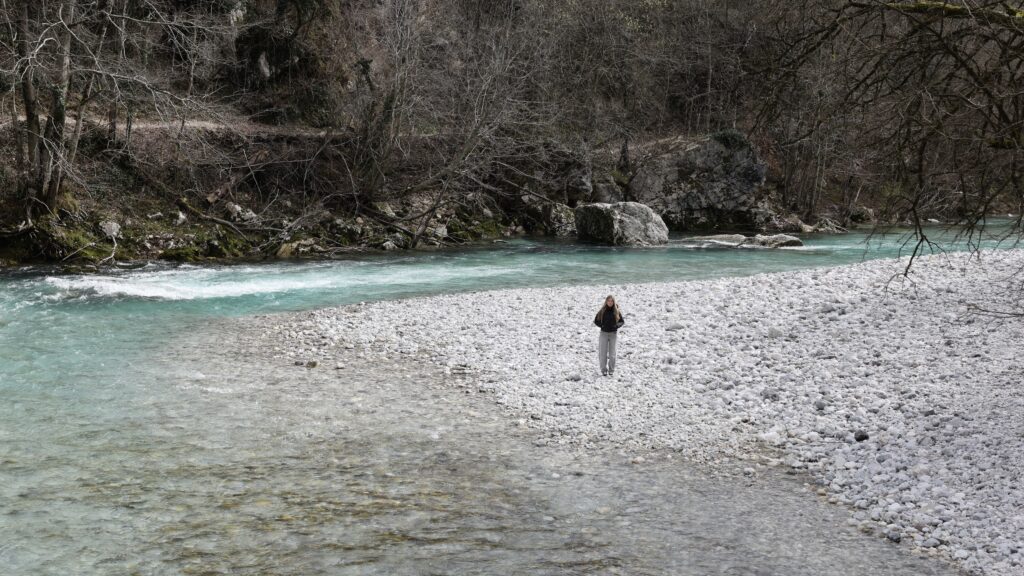
The project offered a unique opportunity to explore the richness of the languages within our shared multicultural space and to connect two generations through content. During workshops held in retirement homes, works by thirty authors from Friuli Venezia Giulia and Slovenia were translated into the dialects and languages still spoken by residents in their daily lives. The selection brought together internationally recognised authors such as Pasolini, Cappello, Ungaretti, Kosovel, Marin, and Novy, alongside lesser-known writers who are nonetheless distinctive voices of these regions. The initiative involved five retirement homes on both the Slovenian and Italian sides of the region, stretching from Resia to Istria: Casa di riposo “Giuseppe Sirch” (San Pietro al Natisone, Italy), Dom upokojencev Gradišče (Gradišče nad Prvačino, Slovenia), Dom upokojencev Koper (Koper, Slovenia), Centro Assistenziale “Italia Rovere Bianchi” (Mortegliano, Italy), and Dom upokojencev Podbrdo (Tolmin, Slovenia). Workshops with young people took place at basic and secondary schools: Liceo Artistico “Max Fabiani” (Gorizia, Italy), Osnovna šola Antona Ukmarja (Koper, Slovenia), Gimnazija Gian Rinaldo Carli (Koper, Slovenia), and Gimnazija Tolmin (Tolmin, Slovenia). In collaboration with directors Jan Cvitkovič, Paolo Comuzzi, and Maja Prettner, the young participants transformed the poems into short films and video recordings.
This relatively small area is characterised by extraordinary linguistic diversity, reflected in numerous dialects, including Resian, Bisiac, Triestine, Natisone Valley, Istrian, Istrian-Venetian, Vipava Valley, and Tolmin dialects, as well as the Slovenian, Italian, and Friulian languages. This remarkable linguistic mosaic, as revealed across only a few kilometres, is explored in the chapters entitled Natisone Valleys, Friuli, Soča Valley, Vipava Valley, and Istria.
Schedule
Date: 10. June 2026
Time: 18:00
Program category: And So Much More
Section category: And so much more


